Our Leader
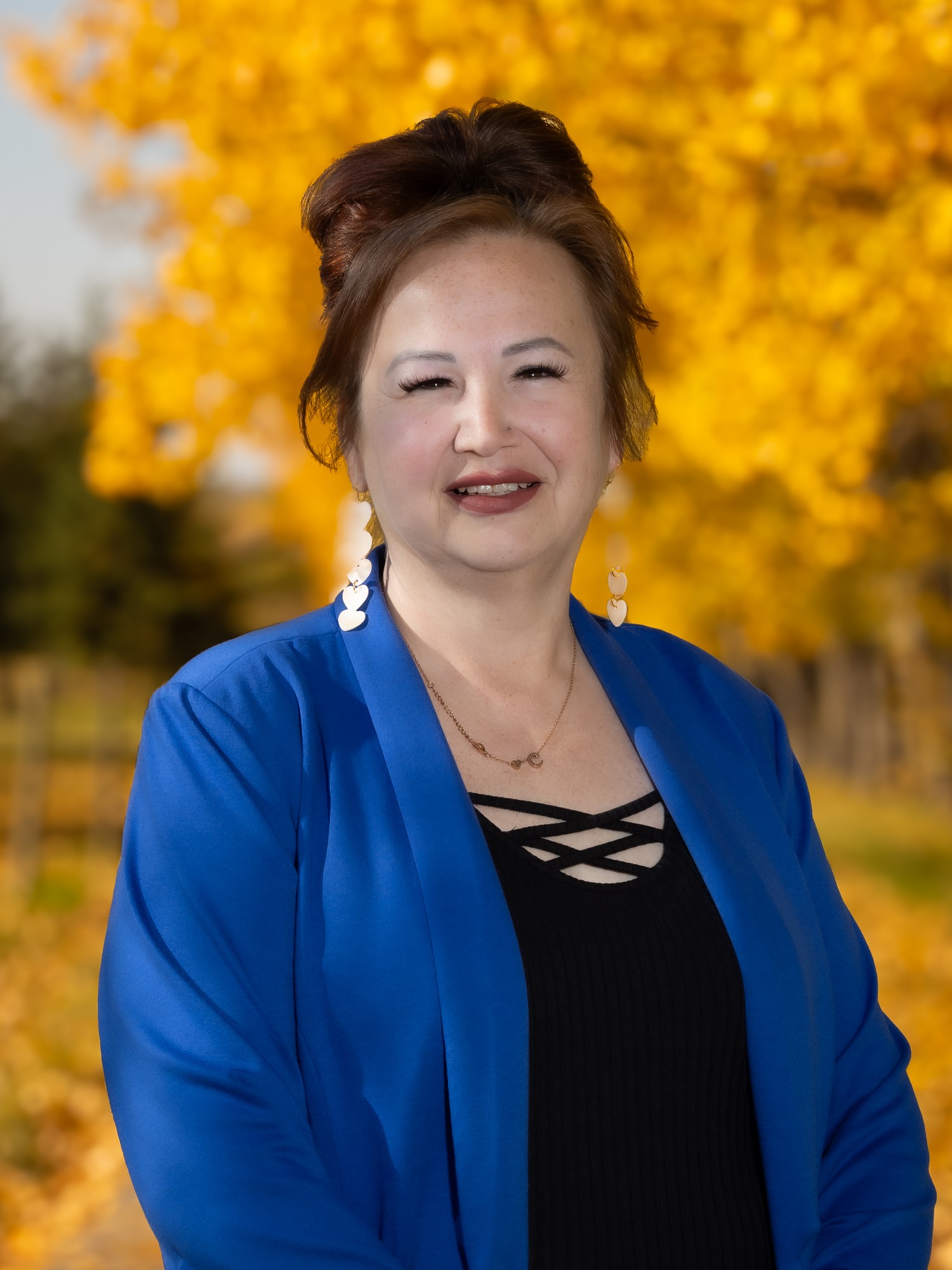
Melinda Morin, CFS Senior Director
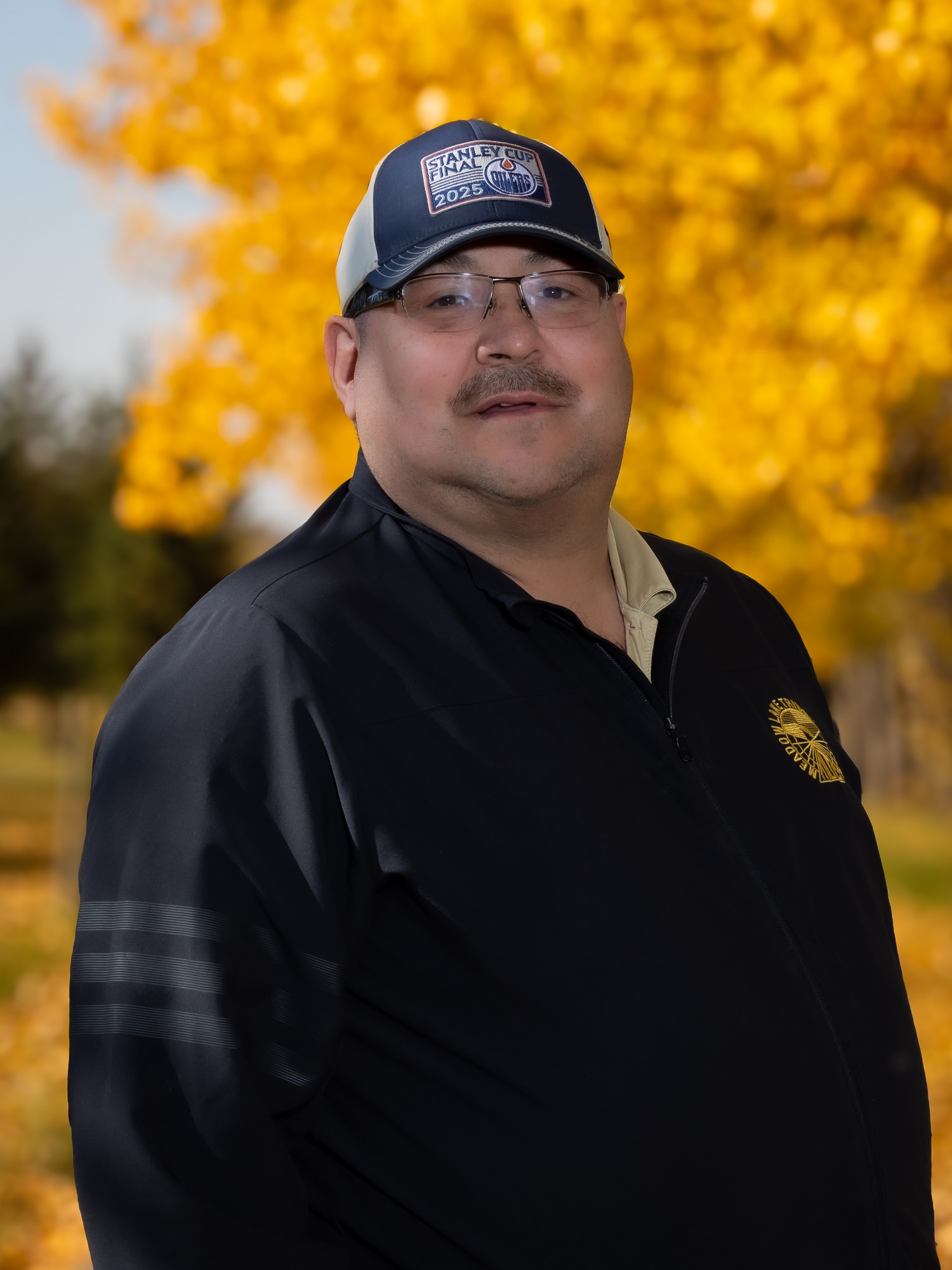
Terrance Sylvestre, Youth & Family Supervisor

Rosie Lafond, Data & Reporting Supervisor
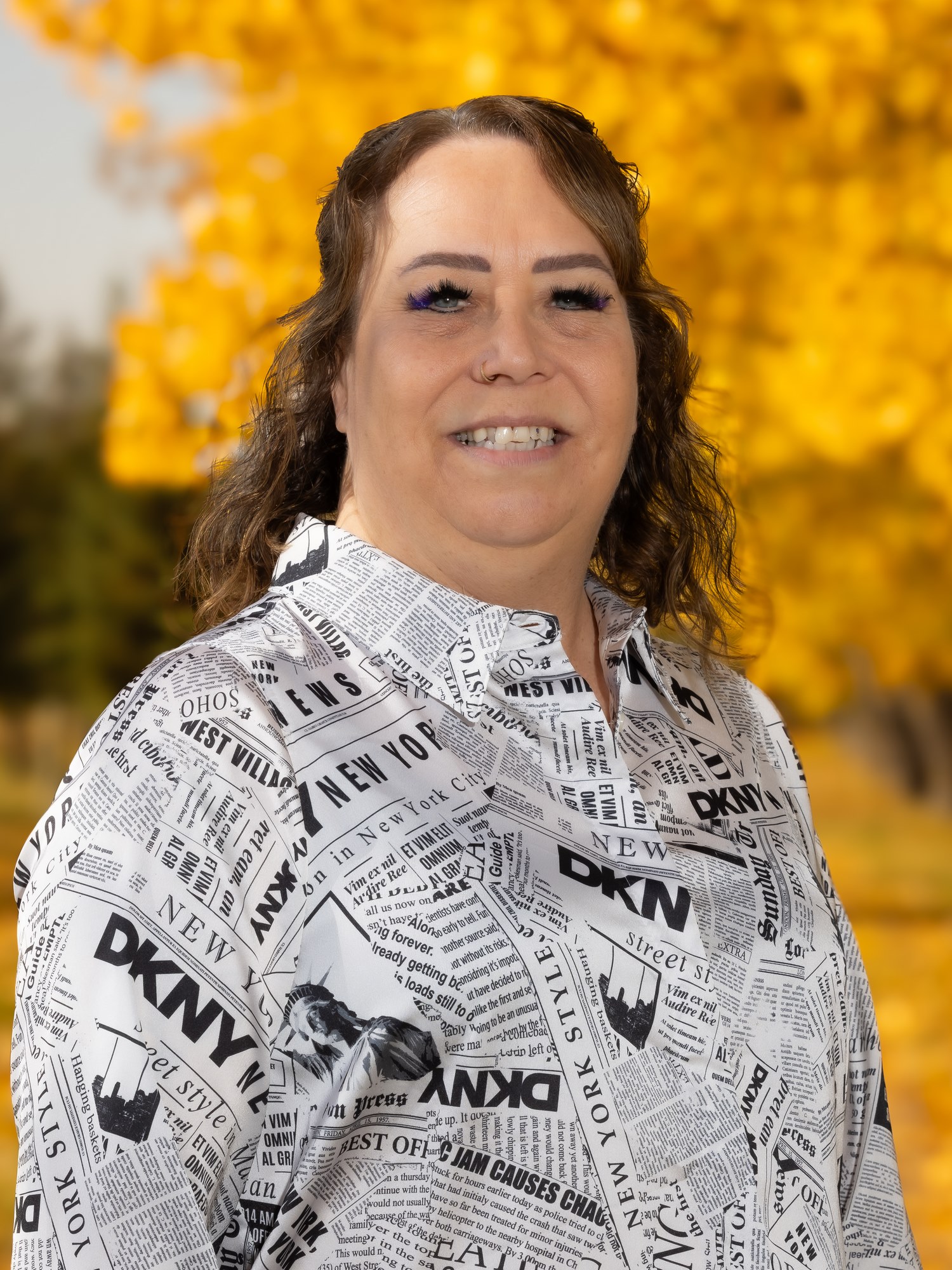
Rhonda Harkins. CFS Senior Director
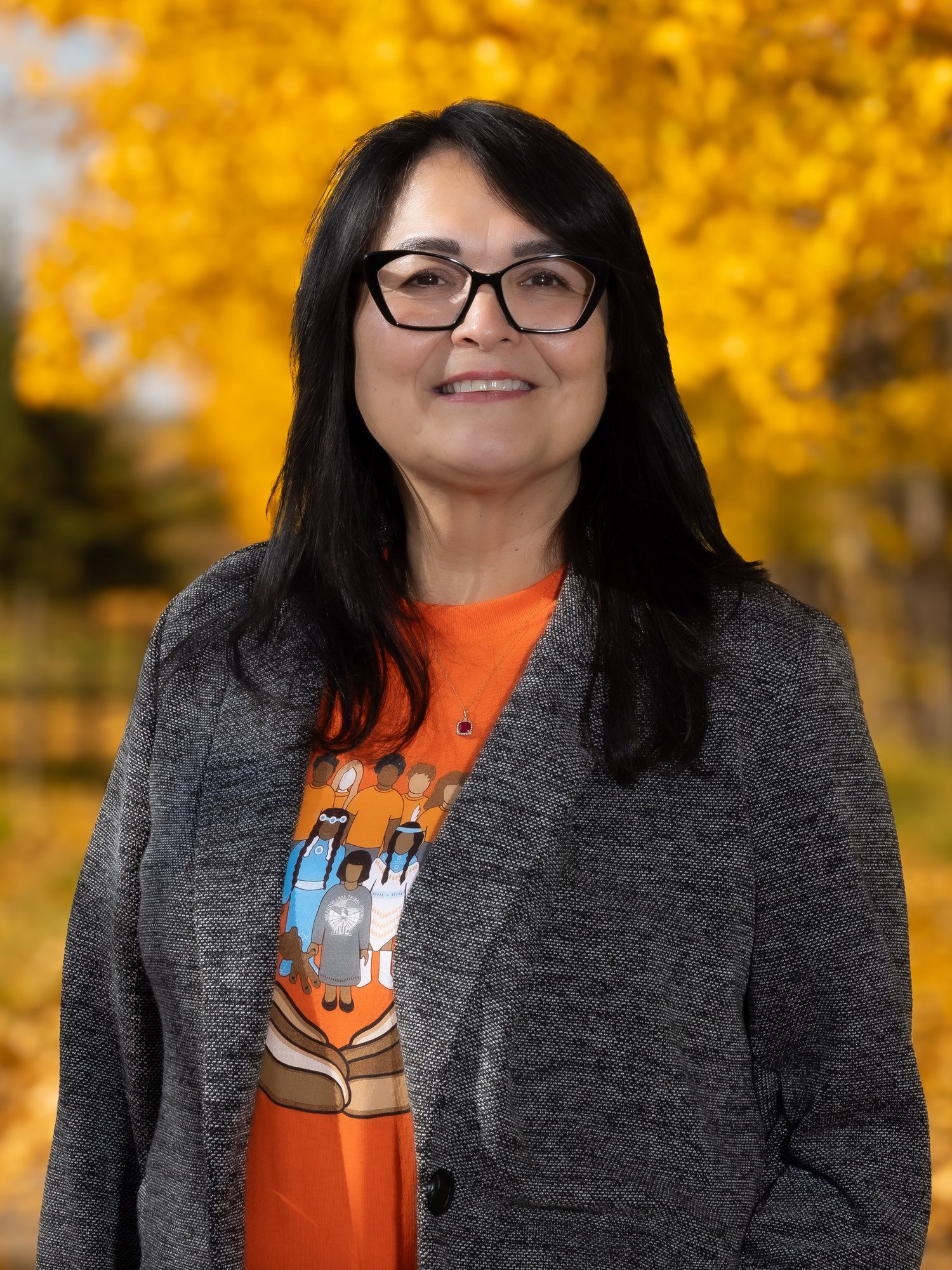
Lisa Courtorielle, CFS Senior Director
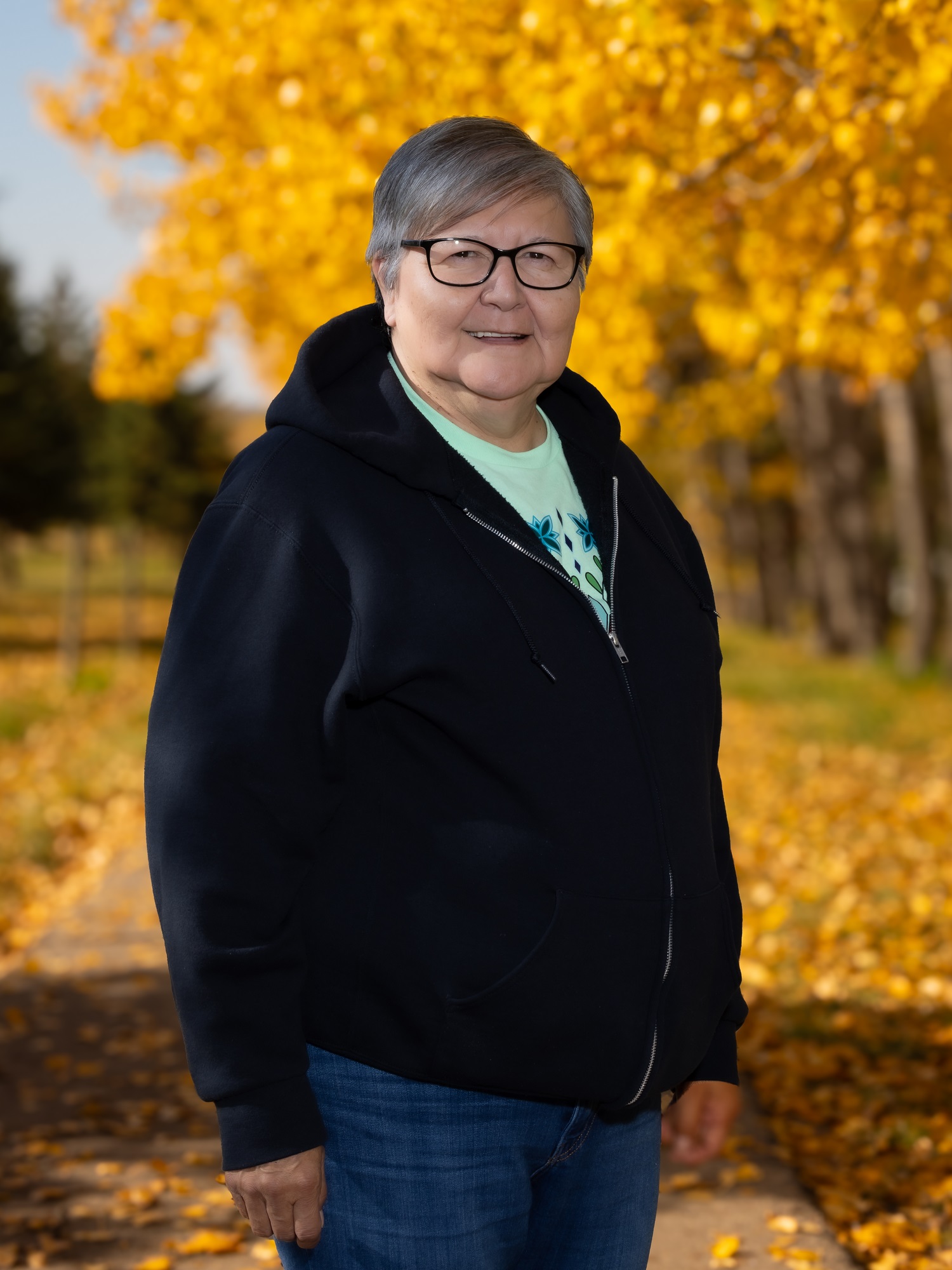
Sylvia Bekkatla, CFS Senior Director
Our Board of Directors
Meadow Lake Tribal Council’s Child and Family Services Inc. is governed by a Board of Directors made up of Chief’s and Councillors from each member nation. Each Director and their alternate are delegated by their Member First Nation to represent both their community and MLTC CFS.
The purpose is to provide the Tribal Council with strategy and direction.
Birch Narrows Dene Nation
Delegate: Councillor Angel Sylvestre
Alternate: Councilor Kim Sylvestre
Buffalo River Dene Nation
Delegate: Councilor Melissa Desjarlais
Alternate: Councilor Renita Noltcho
Canoe Lake Cree First Nation
Delegate: Councilor Wilfred (Tom) Iron
Alternate: Councilor Lorne Iron
Clearwater River Dene Nation
Delegate: Councilor Randy Janvier
Alternate: Councilor Sandy Herman
English River First Nation
Delegate: Councilor Bruce McIntyre
Alternate: TBD
Flying Dust First Nation
Delegate: Councilor Nicholas Derocher
Alternate: Marie Gladue
Makwa Sahgaiehcan First Nation
Delegate: Councilor Dean Mitsuing
Alternate: Ken Mitsuing
Ministikwan Lake Cree Nation
Delegate: Councilor Tina Alexan
Alternate: Councilor Jason Stick
Waterhen Lake First Nation
Delegate: Councilor Joanne Roy
Alternate: Ableheza Ernest & Carol Bernard
Our Unique Nations
denesuline
The denesuline communities served by Meadow Lake Tribal Council (MLTC) consist of Birch Narrows Dene Nation, Buffalo River Dene Nation, Clearwater River Dene Nation, English River First Nation with satellite communities of La Plonge, and Turnor Lake. Our denesuline nations are rooted in a northern denesuline worldview that emphasizes interconnectedness between people, land, animals and spirit. Traditionally, densuline societies were land-based, highly mobile, and organized around kinship, subsistence practices, and seasonal cycles.
The denesuline worldview is deeply relational and grounded in respect, balance, and responsibility to creation. Identity is strongly tied to traditional lands, and knowledge systems are passed down orally through Elders.
Share What you Have:
Share all the big games you kill; only take what you need and share with other who do not have any.
Help Each Other:
Help the poor, sick and Elders, who are in need, visit them; give them food, cook, for them. Help them get firewood or whatever needs to be done around the house. When you lose someone in death, go to the family right away, help out the widow as much as possible and help take care of the orphaned children.
Love Each Other as Much as Possible:
Treat each other as brother and sisters as though you are related. Help each other and don’t harm anyone. Be respectful of Elders and everything around you. Don’t run around when Elders are eating; sit down until they are finished.
Sleep at Night and Work During the Day:
Don’t run around or laugh loudly when it gets dark. Everyone should sleep when darkness falls.
Be Polite and Don’t Argue with Anyone:
Don’t harm anyone with your voice or actions. Don’t hurt anyone with your power. Don’t show your anger. Young girls and boys should behave respectfully. Don’t make fun of each other, especially in the matter of sex. Don’t make fun of older men and women. Be polite to each other.
Pass on the Teachings:
Elders are to tell stories about the past every day. In this way young people learn to distinguish between good and unacceptable behaviors and when they are older, they become the story tellers someday, who will then someday keep the circle of life going.
Be Happy at all Times:
The creator have given you a great gift – Mother earth, take care of her and she will always give you food and shelter.
“Prepare the children for a good life by teaching them in this way – it is your responsibility”
Nehiyaw
The Nehiyaw (Iyiniw) communities served by Meadow Lake Tribal Council consist of Canoe Lake Cree First Nation, Flying Dust First Nation, Makwa Sahgaehican First Nation, Ministikwan Lake Cree Nation, and Waterhen Lake First Nation. The Nehiyaw communities within MLTC are part of a broader Plains and Woodland Cree cultural tradition, grounded in strong kinship systems, spiritual practices, and long-standing ceremonial life.
Nehiyaw identity is characterized by:
- Strong communal values
- Strong extended family and kinship system
- Deep spiritual practices tied to ceremony
- Oral traditions and storytelling
- Adaptability across geographic and social contexts
nēhiyaw wiyasowēwina
(Cree Law)
pimātisiwin
(life)
pimācihowin
(livelihood)
pāstāhowin
(breaking laws against humans)
ochinēwin
(breaking laws against anything other than a human)
manātisiwin
(respect)
miyo-ohpikināwasowin
(good child rearing)
wahkōtowin
(kinship)
tāpowakēyihtamowin
(faith, spiritual)
Our children are gifts which we as Nehiyawak and denesuline people have been given. As Elders, Chiefs and Councils, parents and community members, we accept the responsibility for these gifts and ensuring their safety. We are reclaiming our ancestral values of community safety and healing.
Contact Us
Main Office (Flying Dust)
Phone: 306-236-8287
Fax: 306-236-3633
Sub-Office (Buffalo Narrows):
Phone: 306-235-4264
Fax: 306-235-4962
Hours of Operation
Regular Office Hours:
8:30am – 5:00pm, Monday – Friday,
Closed for Statutory Holidays
On-call Afterhours:
24/7 emergency support is available
by calling 306-236-8287
